
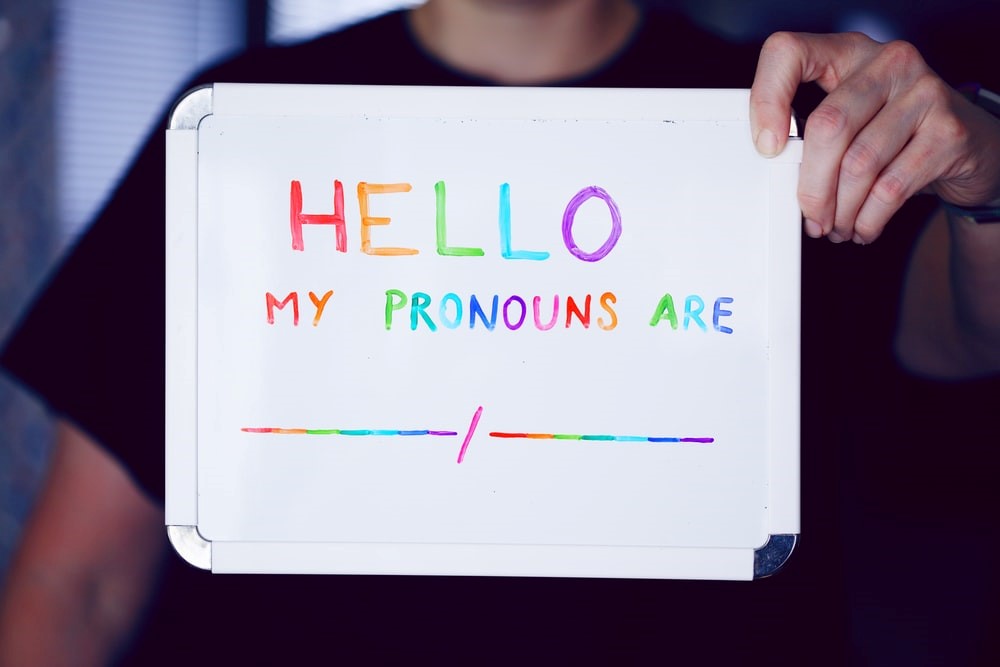
People are unique individuals with different interests, dreams, preferences, and gender identity and expression are an important part of who you are. Being free to express yourself and live your life authentically is a right you have as a Canadian. Understanding gender identity and protecting its citizens from harm and discrimination is a part of Canada’s legal history.
Life insurance is one area that has always been individualized – after all, your risk factors are specific to who you are and how you choose to live your life – and your life insurance premiums reflect this individuality. We all have different risk factors, like where we live, how we care for our health, the types of hobbies we participate in, and the jobs we perform.
How you express yourself and your gender is important to your identity. But if you are non-binary or transgender, you may be wondering how that affects your life insurance premiums or your ability to purchase life insurance.
Read on to learn more about how gender identity affects life insurance in Canada, then contact us at Hometown Life Insurance for more details.
Gender Identity Defined
In this article, as we proceed to talk about gender identity and its impact on life insurance, we will use the following definitions from the Canadian government department of Statistics Canada:
“Gender refers to the gender that a person internally feels and/or the gender a person publicly expresses in their daily life… A person’s current gender may differ from the sex a person was assigned at birth… Sex and gender refer to two different concepts.”
The government further notes:
“The variable ‘Gender of person’ and the ‘Classification of gender’ are expected to be used by most social statistics programs. The variable ‘Sex of person’ and the ‘Classification of sex’ are to be used where information on sex at birth is needed, for example, demographic and health indicators.”
Gender Identity and Life Insurance
Life insurance is affected by numerous factors that actuaries use to develop your risk profile. This can determine if you are accepted for a policy and what your rate will be for your life insurance policy.
Mortality Rates and Sex at Birth
In many countries around the world, women enjoy a longer average life expectancy than men in the same society. In Canada, the average life expectancy for women is 84 years, while for men, it is 80 years (2020).
The younger you are when you apply for life insurance and the higher your life expectancy is both mean the insurance company will collect more in premiums over the course of your lifetime – equating to lower rates for you.
A person’s gender identity can change over their lifetime, but their sex at birth does not – intersex and wrong sex assignations notwithstanding. Gender identity can be fluid and refers to how a person internally feels and publicly expresses. Sex at birth is needed for some health indicators, which asks the question for life insurance purposes.
Possible health conditions, diseases, and medications could be more prevalent in one sex or the other. Some diseases, such as prostate or ovarian cancer, are found in one sex only. Changing gender identity does not change these risks; therefore, using sex at birth is one way life insurance companies are asking this question.
Insurance companies will look at recent surgical procedures and hormone replacement therapy when rating the individual’s risk factors. Any recent major surgery will make it difficult to get life insurance right after the operation, regardless of whether it is heart surgery or gender confirmation surgery.
Lifestyle Differences Argue for Nuance
Some people argue gender should be used over sex at birth to determine life insurance rates. The reason is gender is a social construct, and socially many behaviors are built into the construct of gender.
The idea that boys are bigger risk-takers than girls when it comes to sports, hobbies, driving habits, and occupations should hold true for those whose gender identity is male, too – or so the argument goes.
Someone whose preferred gender identity is male may share those higher risk-taking behaviors, which should correspond to a higher premium for their life insurance as their life expectancy decreases accordingly with these risky behaviors.
How to Purchase Life Insurance as a Transgender or Non-Binary Individual
Regardless of your gender, shopping around to compare rates is always a good idea when you are shopping for life insurance. Rates can be quite different from carrier to carrier, so once you have decided to purchase life insurance, contact your agent or financial advisor for help. They can use your details to find several competitive rates for you, making it easier to get the best coverage for your needs.
One of the first questions on a life insurance application is sex, so working with an agent that understands your concerns is a good first step. Different insurance carriers handle the question in different ways – you may be more comfortable with a carrier offering unisex rates, for example, or one that asks you both your sex at birth and your gender.
You should feel heard and respected throughout the process – remember you have many options when it comes to your life insurance purchase.
Final Thoughts
The way underwriters and insurance carriers handle the expanding and changing definition of gender identity will continue to evolve along with society. People do not always fit into neat binary definitions that make actuaries comfortable.
Rather, the reality is people are different, and their life insurance risk factors should reflect that individualism, whether it is around their gender identity, their occupation, or their driving habits.
Finding a life insurance carrier who understands your needs does not have to be difficult. Ask us for more details to find a life insurance policy to meet your lifestyle and family’s needs.
How do I Learn More?
To learn more about gender identity and how it affects your life insurance, contact the experts at Hometown Life Insurance. Our licensed experts will be happy to answer any questions you have.
External Links:
- https://www23.statcan.gc.ca/imdb/p3Var.pl?Function=DEC&Id=410445
- https://www.statista.com/statistics/274513/life-expectancy-in-north-america/#:~:text=In%20Canada%2C%20the%20average%20life,for%20females%20in%20mid%2D2020.&text=Of%20those%20considered%20in%20this,life%20expectancy%20of%2081%20years.
- https://theactuarymagazine.org/looking-beyond-sex/
- https://www.theglobeandmail.com/investing/globe-advisor/advisor-news/article-insurers-adapting-to-meet-the-needs-of-transgender-people/